Condo Reserve Study: Costs, Requirements & How It Works

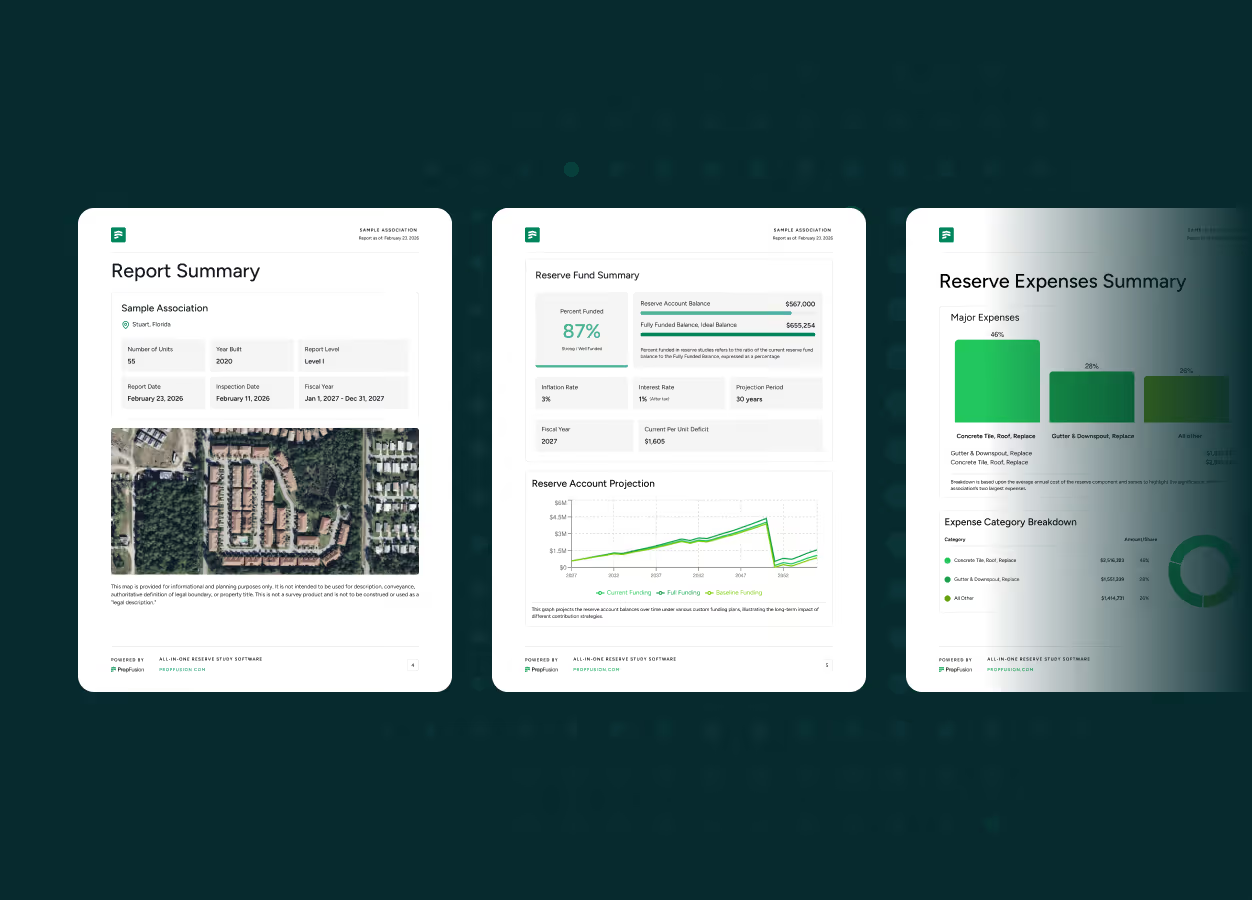
Get proposals from vetted reserve study professionals - with 30-year funding plans, powered by modern technology, and compared side by side for free.
A condominium is a different animal from a single-family HOA: owners share not just amenities but the building itself — the roof over every unit, the elevator everyone rides, the structure holding it all up. That changes what a reserve study covers, what it costs, and in a growing number of states, whether the law requires one at all.
What is a condo reserve study?
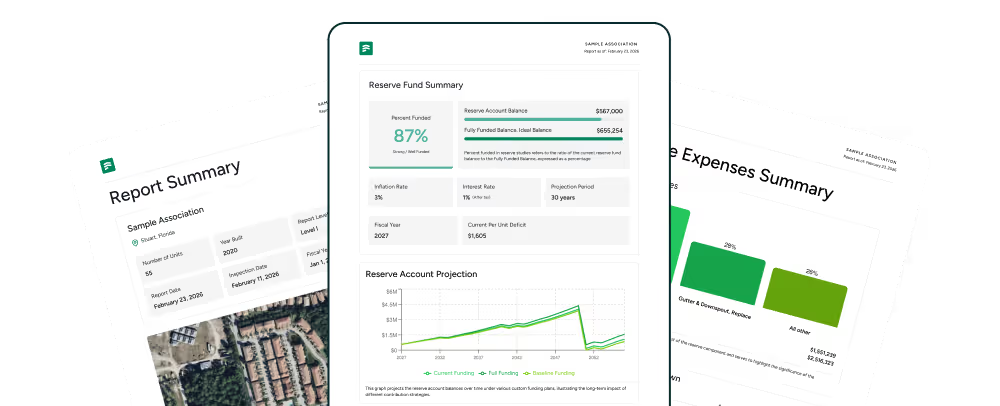
A condo reserve study is a professional analysis of a condominium's shared components — roof, structure, elevators, mechanical systems, exterior, amenities — that inventories their condition, estimates remaining useful life and replacement cost, and lays out a multi-decade funding plan so the association can pay for major repairs without special assessments.
How a Condo Reserve Study Differs From an HOA Study
The method is the same; the component list is not. A condo study leans heavily on building systems:
- Structure and envelope — load-bearing elements, waterproofing, facades, windows, balconies
- Vertical transportation — elevators are among the most expensive components a community can own
- Central mechanical systems — boilers, chillers, cooling towers, fire protection, plumbing risers, electrical
- Shared interiors — corridors, lobbies, parking structures
Because these components are expensive and failure-intolerant, condo studies increasingly involve engineering-level inspection — especially where structural reserve requirements now apply.
What a Condo Reserve Study Costs
Pricing follows building complexity more than unit count:
For the full picture of pricing factors, see how much reserve studies cost.
Condo Reserve Study Requirements by State
Condominiums face stricter reserve laws than HOAs in several states, and the gap is widening:
- Florida — buildings three or more habitable stories must complete a Structural Integrity Reserve Study (SIRS) covering eight structural components, and those reserves generally cannot be waived. See the Florida SIRS guide.
- California — Davis-Stirling requires reserve studies every three years with annual updates, and SB 326 adds inspections of balconies and elevated elements for condos. See the California guide.
- New Jersey — S2760 phased in reserve study and funding requirements for condos and co-ops. See the New Jersey guide.
- Washington, Oregon, Hawaii and others — statutes require or strongly encourage regular reserve studies with disclosure to owners.
Every state is different — check the reserve study requirements by state guide for yours.
When Your Condo Needs a Reserve Study
- You have never had one, or the last one is more than 3–5 years old
- A statutory deadline applies (Florida SIRS, New Jersey S2760, California's three-year cycle)
- The building is approaching major component milestones — roof, elevator, repiping, facade work
- Lenders, insurers, or buyers are asking for current reserve documentation
- The board is weighing a special assessment and needs to understand the real funding gap
How to Choose Who Does Your Condo Reserve Study
Credentials matter more for condos because of the structural scope: look for a licensed engineer or credentialed reserve specialist with high-rise or coastal experience where that applies, component-level cost data for your region, and a deliverable your board can actually use between studies — not a PDF that goes on a shelf.
The fastest way to sanity-check both scope and price is to get several quotes side by side: compare multiple condo reserve study proposals for free from vetted professionals in the PropFusion network.
Frequently Asked Questions
How often does a condo need a reserve study?
Best practice is a full study with on-site inspection every 3–5 years with interim updates — and some states mandate the cycle, like California's three-year requirement and Florida's ten-year SIRS cycle.
Is a condo reserve study legally required?
In a growing number of states, yes — Florida (SIRS for 3+ story buildings), California, New Jersey, Washington, Oregon, Hawaii and others require or strongly encourage them. Even where law is silent, governing documents and lenders often require current studies.
What does SIRS mean for my Florida condo?
A Structural Integrity Reserve Study covers eight structural component categories, must be completed at least every 10 years for qualifying buildings, and its reserves generally cannot be waived or redirected.
Who pays for a condo reserve study?
The association, as a common expense — typically from the operating budget. Boards often treat it as the cost of avoiding a five- or six-figure surprise later.
Can condo owners see the reserve study?
In most states, yes — reserve studies and funding disclosures are part of the association records owners may inspect, and several states require an annual reserve disclosure with the budget.
Get proposals from vetted reserve study professionals - with 30-year funding plans, powered by modern technology, and compared side by side for free.
Take the guesswork out of your reserve study
PropFusion matches your association with vetted reserve study professionals - powered by industry-leading software. Compare multiple proposals for free to get started.